This article contains affiliate links. If you purchase through our links, we may earn a commission at no extra cost to you.
One hair in the shower drain. That’s all it takes for a guest to leave a 4-star cleanliness review — and per Airbnb’s Superhost requirements, anything below a 4.8 overall rating costs your host their Superhost badge. According to AirDNA’s 2026 data, listings with 5-star cleanliness ratings get booked 25% more frequently than those that don’t. Your turnover quality directly affects whether hosts keep hiring you.
Airbnb turnovers aren’t standard cleans. You’re working in a compressed window — usually four hours between checkout and check-in — and you’re responsible for restocking, staging, damage reporting, and making the place look like the listing photos. Miss any of it and the host gets the complaint, but you lose the account.
This is the complete Airbnb cleaning checklist I give my turnover crews, plus the restocking system, photo documentation protocol, and pricing structure that keeps the work profitable.
What Makes Airbnb Turnovers Different
If you’ve been running residential recurring cleans, turnovers will feel like a different business. Here’s what changes:
The timeline is non-negotiable. Checkout at 11am, check-in at 3pm. Subtract drive time, and you have a 3-3.5 hour window for most properties. There’s no “I’ll come back tomorrow” — the next guest is arriving whether you’re done or not.
You’re restocking, not just cleaning. Toilet paper, soap, shampoo, coffee, paper towels — your host has par levels for each consumable, and you’re responsible for maintaining them. This is inventory management on top of cleaning.
Staging matters. The property needs to look like the listing photos. Towels folded a specific way, pillows arranged, welcome book positioned, remotes lined up. Guests compare what they walk into against the photos they booked from.
You’re the host’s eyes on the ground. Broken blinds, stained mattresses, a guest who smoked inside — you report everything. Hosts manage remotely. You’re their quality control.
Pricing is per turnover, not per hour. Flat rates range from $50-$200+ depending on property size, per Airtasker’s 2026 rate data. A 1-bedroom averages $50-$90, a 2-bedroom runs $70-$130, and 3-bedrooms hit $100-$150.
The Room-by-Room Turnover Checklist
This is the checklist my crews use. Time targets are per room for a 2-person team. Adjust if you’re solo or have a larger crew.
Kitchen (20 minutes)
- All dishes washed and put away — run the dishwasher if needed, but don’t leave it running for the guest. Unload and reset.
- Counters wiped and cleared — nothing left out except what’s in the listing photos (coffee maker, knife block, etc.).
- Stovetop, microwave interior and exterior, oven front — grease splatter is the most common kitchen complaint in Airbnb reviews.
- Inside the fridge — remove all guest food, wipe every shelf. Check freezer. This gets skipped constantly and guests notice.
- Restock consumables — dish soap, sponge, paper towels, trash bags, coffee/tea/sugar packets, dish detergent pods.
- Sweep and mop floors — get under the table and behind the trash can.
Pro Tip: Pre-load a supply caddy for each property with that property’s specific restocking items. You’ll cut 5-10 minutes per turnover by not searching through your van for the right shampoo brand.
Bathrooms (15 minutes each)
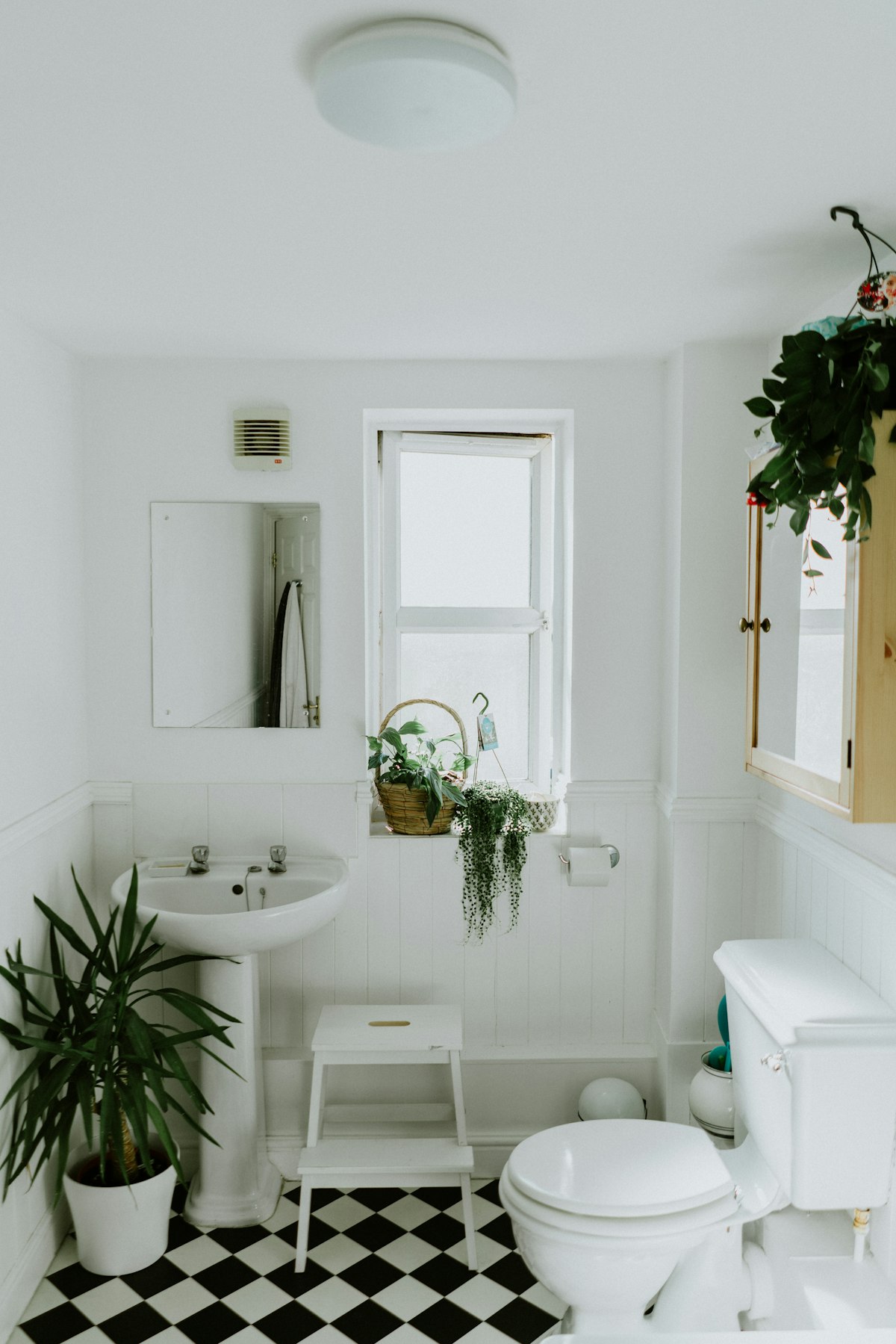
- Full scrub: toilet (inside bowl, base, behind), shower/tub, sink, mirror — use a grout brush on tile. Soap scum is the second most common Airbnb cleaning complaint.
- Replace all towels — hand towels, bath towels, washcloths, bath mat. Fold or roll to match listing photos.
- Restock toilet paper — two rolls minimum, with extras visible. Guests shouldn’t have to hunt for TP at midnight.
- Restock soap, shampoo, conditioner — check dispenser levels or replace travel-size bottles. Whatever the host’s system is, match it exactly.
- Check drains — pull hair out of every drain. Test that water flows. A slow drain gets mentioned in reviews.
- Inspect for mold and caulk condition — if you see black mold forming, report it to the host with a photo. Don’t just clean over it.
- Mop floors — tile and vinyl get water spots. Dry mop after wet mop for streak-free finish.
Bedrooms (15 minutes each)
- Strip beds completely and remake with fresh linens — fitted sheet, flat sheet, duvet cover, pillowcases. No reusing from previous guest, ever.
- Check mattress protector — if stained, swap it. Report stains to host.
- Dust all surfaces — nightstands, dresser tops, lamps, headboard. Run a microfiber along baseboards.
- Empty nightstand drawers — guests leave chargers, medication, personal items. Check every drawer.
- Check under the bed — same reason. Lost items = awkward host conversation and a shipping expense.
- Closet reset — hangers evenly spaced, extra blanket and pillow on shelf, luggage rack open (if applicable).
- Vacuum or mop floors — move furniture if you can see dust bunnies from standing height.
Living Area (10 minutes)
- Straighten furniture to listing photo positions — couch cushions fluffed, throw blankets folded, pillows arranged.
- Dust all surfaces and electronics — TV screen (use appropriate cleaner, not all-purpose spray), shelves, coffee table.
- Reset remotes, guides, and welcome book — put them where the listing photos show them. Guests notice when things feel “off.”
- Vacuum carpet or mop hard floors — move dining chairs to get under the table.
- Check windows — fingerprints on sliding glass doors are common. Wipe interior glass.
Entry and Exterior (5 minutes)
- Sweep porch, patio, or entryway — first and last impression.
- Verify lockbox code or smart lock — confirm with host if the code changes between guests.
- Welcome mat clean or replaced — a dirty mat makes the whole place feel dirty.
- Porch light working — guests often arrive after dark. Report burnt bulbs immediately.
- Take out all trash — don’t leave bags by the door. To the bin, lid closed.
Total target time for a 2-bed, 1-bath unit: 65 minutes with a 2-person crew. A 3-bed, 2-bath runs about 90 minutes. If you’re consistently over these targets, your process needs tightening — check out our SOP framework for building repeatable systems.
The Restocking System
Restocking is where turnover cleaners either make extra money or lose time. Get the system right and it becomes a profit center.
Set par levels with every host. Before your first turnover, do a walkthrough and document exactly what consumables the property needs and how much of each. Par level means “the minimum quantity that should be there when a guest arrives.”
| Item | Typical Par Level |
|---|---|
| Toilet paper | 2 rolls per bathroom + 2 extra |
| Paper towels | 1 roll on holder + 1 backup |
| Hand soap | Full dispenser or 2 bars |
| Shampoo / conditioner | Full dispensers or 3 travel bottles each |
| Dish soap | Half-full minimum |
| Sponge | Fresh one per guest |
| Trash bags | 3 extra per bin size |
| Coffee / tea | 12 pods or 6 tea bags minimum |
| Laundry pods | 3 pods |
Pre-load a caddy per property. This is the single biggest time saver. Each property gets a labeled bin in your van with their specific supplies. Before you drive to the turnover, grab that property’s bin. No sorting on-site. For a full list of supplies to stock per crew — including chemicals, microfiber quantities, and PPE — see our cleaning business supplies list.
Bill restocking separately from cleaning. The host pays a flat cleaning rate plus actual cost of consumables with a 15-20% markup for your time purchasing and storing them. Track supply costs per property per month. It’s not a lot per item, but it adds up — and hosts appreciate transparent billing.
Determine who supplies what. Some hosts provide linens and want you to wash on-site. Others want you to bring clean sets and take dirty ones to launder offsite. Clarify this upfront — it changes your pricing and your van space requirements.
Photo Documentation and Damage Reporting
Photos protect you and your hosts. Every single turnover gets documented.
Take 5-10 photos per turnover minimum:
- Kitchen — wide shot showing counters, stove, overall condition
- Each bathroom — toilet, shower, vanity area
- Each bedroom — made bed, overall room
- Living area — wide shot
- Any damage, stains, or maintenance issues — close-up with context shot
Why this matters: when a guest checks in and reports “the oven was dirty” or “there’s a stain on the couch,” your host needs to know whether it was there before or after your clean. Timestamped photos from your turnover are your evidence. Without them, you take the blame.
Damage reporting template for hosts:
- What: Describe the issue (stained bath mat, chipped tile, broken blind)
- Where: Room and specific location
- Photo: Attached
- Severity: Cosmetic only / needs repair before next guest / urgent safety issue
- Recommended action: Replace, repair, or monitor
Send this via whatever channel your host uses — text thread, email, or a team communication app. The key is consistency. Every turnover, same format, same photos. Your hosts will value you more than their previous cleaner within a month.
For teams managing multiple properties, a shared channel per host keeps everything organized. You can also track this directly in your scheduling software — here’s our full guide to the best cleaning business software with options that handle job notes and photo uploads.
Pricing Airbnb Turnovers for Profit
The biggest mistake turnover cleaners make is underpricing because “it’s just a quick clean.” Turnovers involve restocking, staging, photo documentation, damage reporting, and tight scheduling — that’s worth more than a standard clean per hour.
| Property Size | Turnover Rate | Your Time (2-person crew) | Effective Hourly Rate |
|---|---|---|---|
| Studio / 1-bed, 1-bath | $75–$100 | 45–60 min | $75–$133/hr |
| 2-bed, 1-bath | $100–$130 | 60–75 min | $80–$130/hr |
| 2-bed, 2-bath | $120–$150 | 75–90 min | $80–$120/hr |
| 3-bed, 2-bath | $150–$185 | 90–110 min | $82–$123/hr |
| 4-bed, 3-bath | $185–$250 | 110–140 min | $79–$136/hr |
Flat rate per turnover beats hourly every time. You get faster as you learn the property, but your rate stays the same. Hosts prefer it because they know their exact cost. You prefer it because efficiency equals profit. For the full breakdown on pricing math, see our gross margin calculator guide.
Volume pricing for hosts with multiple properties. If a host has 3+ units, offer a 10-15% discount per turnover in exchange for being their exclusive cleaner. The guaranteed volume and route density more than make up for the per-unit discount.
Understand the cleaning fee pass-through. Hosts charge guests a cleaning fee of $100-$200 through Airbnb. That fee goes to the host, who then pays you. Some hosts pocket the difference. Others pass it through entirely. Know your market rate and price accordingly — don’t let a host’s $180 cleaning fee turn into $80 in your pocket when the work is worth $130.
Set a minimum per-turnover rate. Mine is $85 for a 1-bed. Below that, drive time and supply costs eat your margin. If a host can’t pay your minimum, the property isn’t profitable for you. Walk away.
Tools That Make Turnovers Faster
The operational challenge with turnovers is scheduling. You might have three properties with checkout at 11am and check-in at 3pm on the same Saturday. You need to know which crew goes where, in what order, and whether all the supplies are loaded.
ZenMaid for Airbnb calendar scheduling. ZenMaid is built for maid services and handles recurring scheduling with ease. For turnovers, you can set up each property as a recurring job and adjust as bookings come in. It syncs with Google Calendar via Zapier, so you can pull Airbnb booking calendars into your workflow. At $19-$49/month plus per-seat fees, it’s affordable for teams running 5-15 turnovers per week.
Jobber{rel=“nofollow sponsored”} for multi-property route optimization. If you’re running turnovers across a spread-out area, Jobber’s route optimization saves real drive time. It also handles quoting, invoicing, and client communication in one place. At $39-$599/month depending on your plan, it’s built for teams that do more than just turnovers.
iCal sync is your scheduling backbone. Most Airbnb hosts can share their booking calendar as an iCal link. Import that into your scheduling software or Google Calendar so you automatically see when turnovers are needed. No more “I forgot to tell you about the Saturday checkout” texts from hosts.
Build a per-property playbook. Beyond software, create a simple document for each property: listing photos (so your crew knows how to stage), par levels, host contact info, access instructions, and any property-specific notes (like “master bath shower handle is backwards” or “neighbor complains if you park in their spot”). This lives in a shared Google Drive folder or inside your scheduling app’s job notes.
Van organization matters more for turnovers than any other service type. When you’re hitting three properties in four hours, you can’t afford 10 minutes of digging through a disorganized vehicle between each job. Our guide to setting up your cleaning business van for maximum efficiency covers the shelf layout and caddy system that eliminates that problem.
For a standard residential cleaning checklist you can use alongside turnovers, see our house cleaning checklist — it covers the recurring clean tasks that overlap with turnover work.
The difference between a cleaner hosts use once and a cleaner hosts rely on is systems. The checklist keeps quality consistent. The restocking system prevents mid-turnover supply runs. The photo protocol protects you from blame. And the pricing structure keeps the work worth doing.
Build these four systems and you won’t need to chase Airbnb turnover clients — hosts will refer you to every property manager they know.